Care order system ‘needs changing to help children’
Care orders are issued if it is in the child’s best interest, says Sina Bugeja. Photo: Darrin Zammit Lupi The law regulating care orders needs to change to offer better protection to children, according to Sina Bugeja, chief executive officer of the...
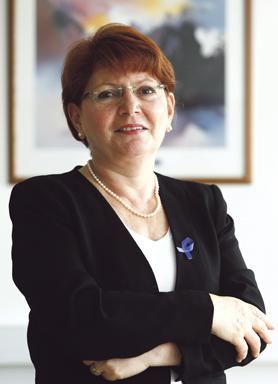 Care orders are issued if it is in the child’s best interest, says Sina Bugeja. Photo: Darrin Zammit Lupi
The law regulating care orders needs to change to offer better protection to children, according to Sina Bugeja, chief executive officer of the Foundation for Social Welfare Services.
Over the past days the care order system has been under fire. During a recent conference on fostering, social worker Daniella Zerafa spoke about the urgent need to speed up decisions on issuing care orders as delays meant children remained in abusive families.
Ms Zerafa told the story of a five-year-old girl who lost sight in her left eye because her parents’ neglect meant a treatable eye condition was not seen to. The child is now in foster care but the decision came too late.
Ms Bugeja said that the foundation was constrained by the law when it came to recommending that ministers should issue a care order.
“It is important to factor the need for a protective upbringing along with the rights of children. Thus, while action needs to be taken promptly, all decisions taken must be based on facts,” she said. Care orders, she said, were issued once the foundation was certain it was in the child’s best interest. In cases of obvious physical child abuse the orders are issued promptly.
We never take children away from their parents for the sake of it
“We never take children away from their parents for the sake of it. When we are in doubt, we err on the side of caution in the favour of the vulnerable children,” Ms Bugeja said stressing that she was not referring to any particular case.
Recently, the mother of two young boys filed a judicial protest claiming that her children had been taken illegally under a care order.
Speaking to Times of Malta, Ms Bugeja said the foundation had recommended changes to various laws including the Fostering Act, the Adoption Act and the Care Order Act.
These were only recently forwarded to the new Social Solidarity Minister – Marie-Louise Coleiro Preca – so Ms Bugeja preferred not to reveal details.
To give one example, she said, there were several legislative changes needed over freeing Maltese children up for adoption.
Currently a child has to live with their prospective adoptive parents for at least three months prior to adoption – even though the court may then decide not to place the child there permanently.
“Prospective adoptive parents may find it difficult to accept the placement of a child when the possibility of adoption is so uncertain,” she said.