Let food be your medicine
Eating is not a trivial event for the billions upon billions of cells that make up our body. Scientists have begun to appreciate the importance of the act of eating in relation to our body and wellbeing. We must all know the famous saying by...
Eating is not a trivial event for the billions upon billions of cells that make up our body. Scientists have begun to appreciate the importance of the act of eating in relation to our body and wellbeing. We must all know the famous saying by Hippocrates: “Let food be your medicine”. Never was it truer than in our present time.
What you choose when eating out is vital to your body. You have a right to choose, a right to question and a right to refuse- Kathryn Borg
I say this because we are eating out now more than at any other time. When we eat out we no longer have control over what goes into our body and yet we accept what is placed in front of us, sometimes without questioning how it was cooked or even how fresh it is.
Food can lift our mood, quicken the brain and calm us down; alternatively it can clog our arteries, erode our joints or leave us with a disease-ridden old age. If you ever doubt how food can help your body, take a look at Food Your Miracle Medicine by Jean Carper (Harper Collins). Take any disease or illness and there will be a supportive text regarding positive foods and a negative text of foods to avoid.
What a heavy way to think of food. The aim is to enforce the fact that what you choose when eating out is vital to your body. You have a right to choose, a right to question and a right to refuse – after all you are the client and it is your body.
It is difficult to list generally what to eat and what not to eat; it would depend on you and your body, medical conditions and tolerances, so here is some general advice.
Decide if you would like a starter or dessert, be wise and skip one of these if you can. If not, keep it simple, avoid creamy, fat and sugar-laden courses. Don’t order a starter if you know you’d rather have a pudding. Opt for lighter fruity desserts. A fruit salad is the healthier option. If you can’t resist a decadent dessert, share it with a friend.
kathryn@maltanet.net
Order
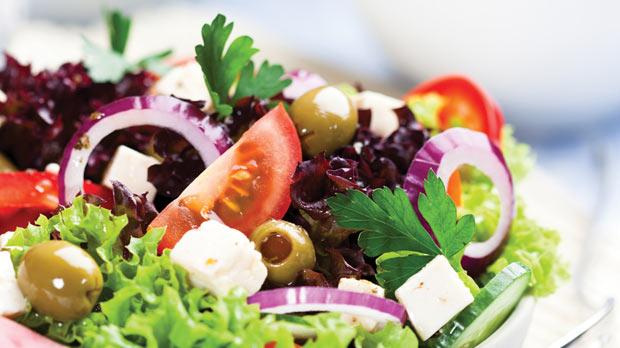
• Salad starters, but ask for the dressing to be served separately
• Grilled fish or prawns
• Clear soups
• Stuffed baked apple
• Baked or poached fruit with yogurt or from age frais
• Sorbet or frozen yogurt ice-cream
Avoid
• Any starter described as fried or crispy
• Creamy pasta starters
• Garlic bread
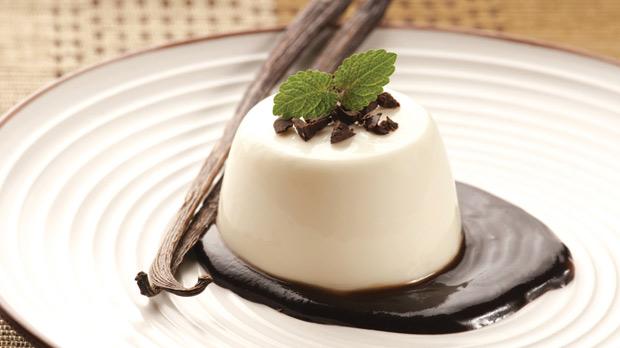
• Crème brûlée and pannacotta
• Cheesecakes and trifles
• Sticky toffee pudding
• Chocolate fudge cake with hot chocolate sauce
• Carrot cake because of the cream cheese icing
Top tip
The golden rule: if you want to keep control of the calories, choose wisely and settle for just a main course. Order first so you’re not swayed by other people’s choices. Every extra course you have only equals more calories. Consider that these are the courses that can cause bloating more than any others.
We’re all liable to drink too much at a big dinner and shared bottles of wine are the norm. Politely refuse if waiting staff try to top up your glass. Start with a soft drink and order mineral water for the table.
Order
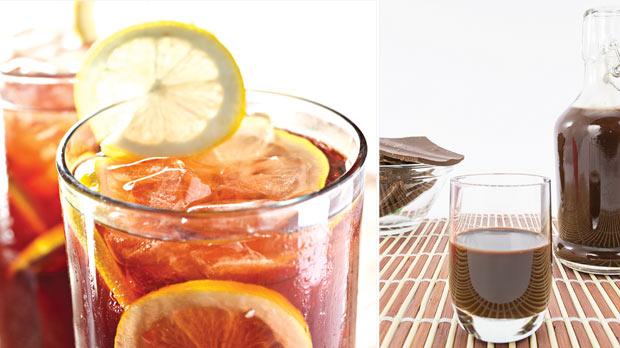
• Soda water with a splash of cordial or fruit juice
• A glass of red or white wine, but watch the size of the glasses – many used in restaurants can be 250ml or even more
• A glass of herbal wine, if available
• Your drinks ‘on the rocks’ – as the ice melts, it dilutes the alcohol
• Spirits with a low-calorie mixer to dilute the alcohol
Avoid
• Premium beers and vintage ciders because they have a high alcohol content
• Creamy liqueurs
• Cocktails because they are individually mixed, so judging the alcohol content can be difficult
• Irish coffee (or any liqueur coffee) for the cream and sugar
• Drinking in excess
Top tip
Alternate your alcoholic drinks with a glass of water or a low-calorie non-alcoholic drink.
Mexican
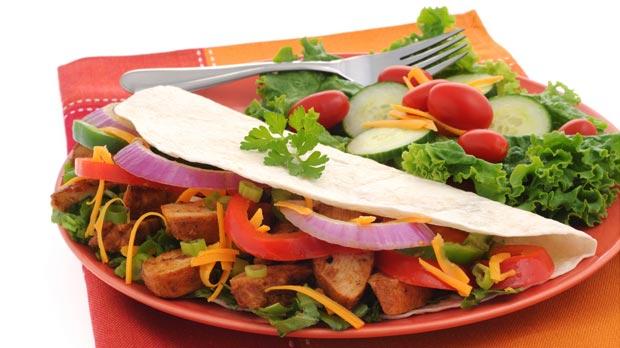
Mexican food includes plenty of spicy salsas, flat pancake fajitas and lots of fillings. Opt for plenty of vegetables and watch out for dishes smothered in sour cream and melted cheese.
Order
• Chicken fajitas or bean burritos
• Black beans or pinto beans
• Pasole, a hearty stew
• Soft tortillas and soft tacos because they’re baked, not fried
• Grilled fish
• Plenty of salsa and salad
Avoid
• Crunchy tortilla or taco shells because they’re deep fried
• Re-fried beans because they often include cheese and are high in fat
• Chimichangas, chalupus, taquitos and burritos because they are all fried
• Enchiladas because they are often loaded with cheese
• Cheesy and creamy dips, e.g. guacamole and sour cream
Top tip
For a starter, order a soft tortilla and salsa rather than tortilla chips. Just tear up the tortilla and dip it.
Italian
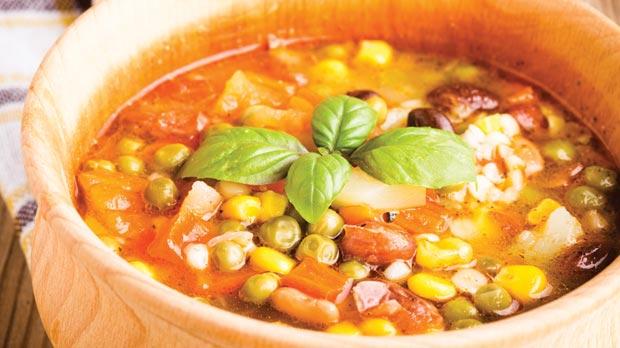
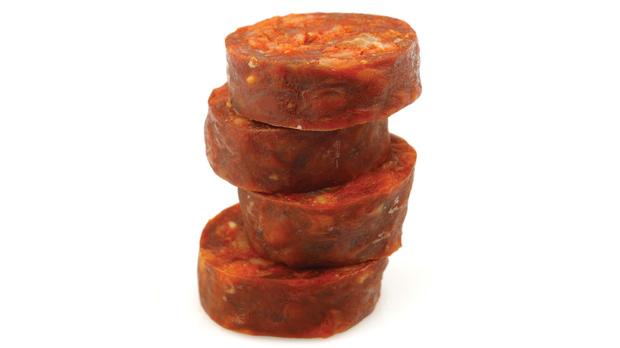
Italian food at its best is rustic fare with ingredients like tomatoes, garlic, fish and olive oil. But choose badly, and you could end up with a heavy pizza base laden with too many fatty toppings.
Order
• Thin and crispy pizzas topped with lean meat, fish, prawns, tuna and plenty of vegetables
• Ask for only a little cheese
• Pasta with tomato-based sauces
• Grilled fish or chicken dishes
• Traditional country stews
• Vegetable-based soups
Avoid
• Stuffed crust and deep-pan pizzas
• Pizza toppings that include pepperoni and other processed meats, meatballs or extra cheeses
• Dishes with creamy pasta sauces like carbonara and lasagna
• Garlic bread or focaccia
• Dishes that are battered and deep fried
• Italian spicy sausages because they are high in fat
• Dishes with pesto sauces because they can pack almost 100 calories in a tablespoon.
Top tip
Restaurants often use huge plates and pile on the pasta because it’s cheap. Your portion could be 450g. Don’t overeat because you are paying for the full plate.
Watch your serving size, keep it small. Avoid processed foods, eat fresh, avoid fatty and sugary courses.
At the end of your meal you should feel satisfied, not bloated and too full.
Here are some specific guidelines for eating at specialty restaurants:
Indian
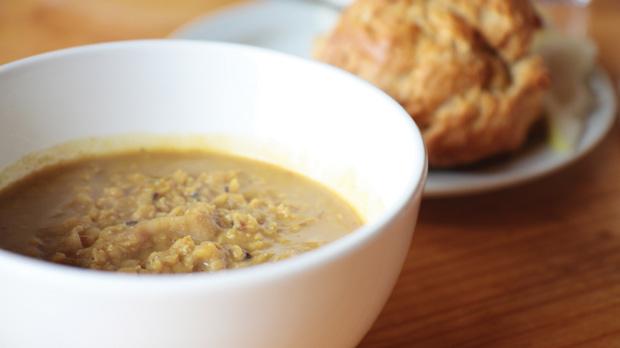
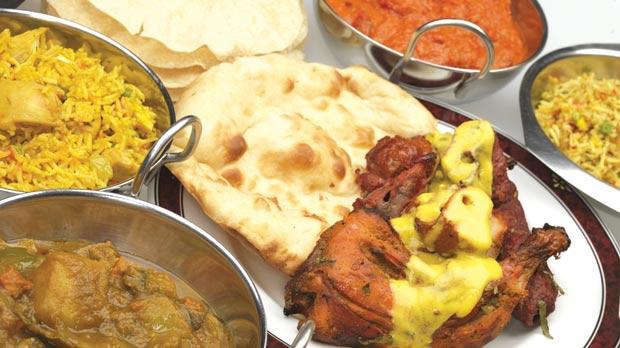
Indian food uses lots of vegetables, pulses and health-giving spices such as turmeric, cinnamon and cumin. However, it’s easy to get carried away with heavy naan breads and buttery chicken.
Order
• Chicken, fish, prawn and vegetable curries with tomato-based sauces
• Dhal, a lentil-based dish
• Dishes cooked in a tandoor oven, such as tandoori and tikka dishes – but avoid those that include a high-fat sauce
• Vegetable dishes
• Chapattis
• Raita, a yogurt and cucumber dip
• Plain boiled rice
Avoid
• Fried starters such as bhajis, samosas and pakoras and poppadoms
• Curries and main courses with creamy sauces, such as tikka massala and kormas
• Naan bread; peshawari naan also has added sugar
• Fried rice and pilau rice
Top tip
Traditional Indian dishes are cooked in ghee (clarified butter), so don’t go overboard. Only order a few dishes at first and then get more if you need them.
Chinese
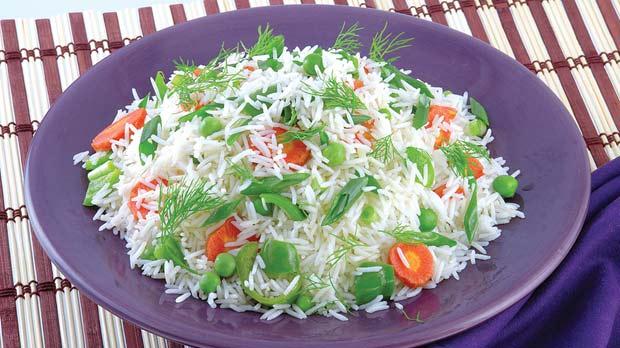
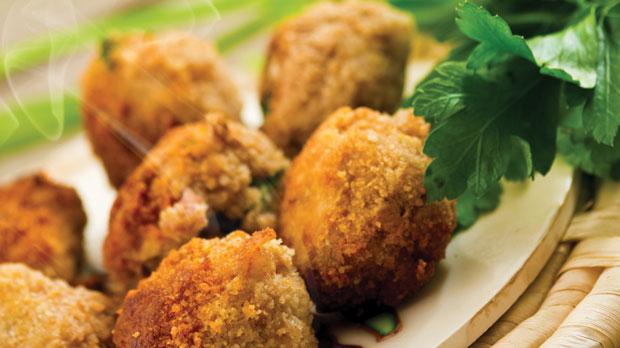
Chinese cooking uses lots of fresh vegetables flash cooked in a wok so they retain their nutrients. However, some dishes can be oily with thick sweet sauces. Ask for only a little soy sauce to be added during cooking to keep salt levels down. Check for the use of monosodium glutamate (MSG).
Order
• Steamed, stir-fried or grilled fish, prawn and chicken dishes
• Stir-fried vegetable dishes, perhaps with bean curd (tofu)
• Steamed dim sum
• Hot and sour dishes
• Clear soups
• Boiled rice and noodles
Avoid
• Deep fried or battered dishes, e.g. spring rolls, crispy noodles, prawn crackers and fried seaweed
• Duck, poultry and chicken dishes that come with the skin on
• Sticky ribs because they’re high in sugar and fat.
• Pork balls and sweet and sour dishes with meat that’s been battered and fried
• Fried rice
• Sweet and sour dishes
Top tip
Steer clear of dishes described as crispy or sizzling – they’re likely to have been deep fried.