One year on.... still split over divorce
Beppe Fenech AdamiNationalist MP who voted against the divorce Bill in Parliament The real impact of divorce on Maltese society, whether positive or negative, will be felt in the years to come. I am still convinced that divorce will negatively affect...
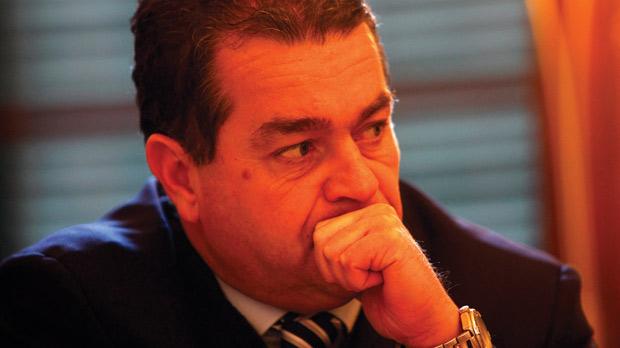
Beppe Fenech Adami
Nationalist MP who voted against the divorce Bill in Parliament
The real impact of divorce on Maltese society, whether positive or negative, will be felt in the years to come. I am still convinced that divorce will negatively affect the most vulnerable in society, particularly children, and the consequences of this will be felt in the years ahead.
I feel I did my duty to express my personal convictions about the introduction of divorce in Malta. I do not consider myself a protagonist. I feel that on such important issues, all public figures should take a stand and that’s what I did. I am proud I did my bit. Sitting pretty on the fence is not my style.
Frankly, I am not very interested on whether my stand on the issue has affected my political career positively or negatively. However, I believe people appreciate that I was consistent throughout.
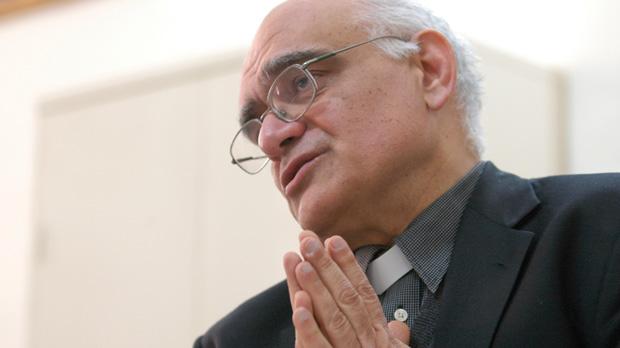
Mgr Anton Gouder
Curia Pro-Vicar General
Divorce legislation has been in effect only since October 2011 and therefore one cannot expect any visible effects in just a few months.
The only issue that is relevant from the data given in the House of Representatives is that almost two-thirds of the applications in court were tendered by just one party.
This could suggest that divorce is imposed upon those who do not wish to be divorced. To assess credibly the effects of divorce in Malta, more time needs to elapse and serious studies need to be undertaken; we cannot base our opinions simply on perception.
Looking back, I acknowledge that my own contribution towards the discussion was honest and factual. Now that divorce legislation is a reality (and if I may add, in my opinion, an unfortunate reality), it is futile to look back.
The state, the Church and NGOs now need to look forward and intensify our contribution towards strengthening families, so that we may help them not recourse to divorce. Such is the effect that the whole issue has left upon me.

Jean Claude Micallef
TV presenter who formed part of a youth anti-divorce group
Divorce has changed the legal significance of marriage permanence for present and future generations. It has not solved the major issue of sustaining families or addressing broken marriages.
The divorce debate also served, and will continue to serve, as ignition for a domino effect on other subjects in Malta, which for so many years were considered taboo or more liberal in ideology.
These include issues such as gay marriages/unions, cohabitation, adoptions and abortion.
Discussion is healthy and we should see that any future discussions will be better argued and evolved than the divorce debate. Society should revamp and consolidate its laws and values first.
I had wanted a more responsible divorce law and will keep persuading people that divorce is wise to have as part of an equation, not the end result of a lifestyle.
Looking back, I feel I served my duty primarily as a citizen and transmitted my views to those who only saw my successful TV career but were unaware of my contribution in the political arena.
I focused more on the legal and social point of view and delivered my thoughts away from any party or clans.
Personally, divorce has changed the legal significance of marriage permanence if I ever consider getting married.
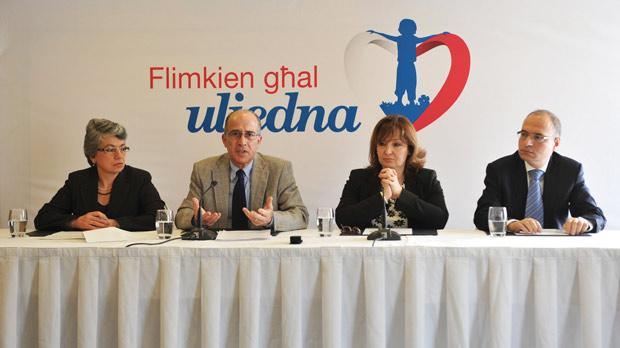
Żwieġ Bla Divorzju
The anti-divorce lobby group created to counter the pro-divorce camp
As expected, in the past year there have been numerous divorce applications from couples who had been separated for many years.
It is noteworthy that many were filed by one of the spouses. The other will have to accept divorce whether she or he wanted it or not.
This pattern clearly disproves the main argument of the pro-divorce camp that preached that divorce would not be imposed on anyone. Once the definition of marriage as a permanent union between one man and one woman is changed, society is bound to suffer.
Divorce will impact the island negatively. Just examine objectively whether marriage and the family were strengthened or weakened in other countries following its introduction.
Statistics for Italy published in the past week show the number of marriages declined markedly.
The number of divorces has more than doubled in 14 years, with couples on average divorcing after 18 years of marriage.
It was a positive experience that allowed civic-minded people to contribute towards a healthy, sometimes overheated, public information campaign.
None of the members of Żwieġ Bla Divorzju was in this for personal or political reasons.
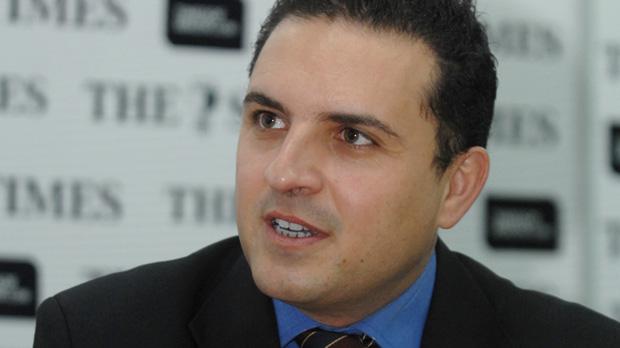
Michael Briguglio
Chairman of Alternattiva Demokratika, the party that was always in favour of divorce
Divorce has given separated people the chance to regularise their relationship and to remarry if they wish, as with all similar situations around the world.
As is the case with separation, those whose marriage has failed will seek the right to happiness. But now they can remarry.
Alternattiva Demokratika had been speaking in favour of the introduction of divorce since 1989, and two years ago we decided to take direct action by inviting MPs to take a stand. We wrote to all of them and sent them the Irish and Italian divorce laws as models to follow.
This eventually led to the formation of the pro-divorce movement that successfully lobbied for a Yes vote. As the only political party with a clear stand in favour of introducing divorce, AD is proud to have been on the right side of history and of speaking up for this basic civil right.
On the other hand, Prime Minister Lawrence Gonzi voted against the introduction of divorce, and Labour leader Joseph Muscat did not have the courage to commit his party to such a basic progressive position.
It has strengthened my belief that political activism can change things for the better.

Jeffrey Pullicino Orlando
Nationalist MP who started the debate by submitting a Private Member’s Bill on divorce
The introduction of divorce has merely allowed couples whose marriages had broken down irretrievably to rebuild their lives. There are no indications whatsoever of the social meltdown some had predicted.
Most of the applications filed and all the divorces approved involve couples who have been separated for years. The number of applications will probably decrease with time as the inevitable backlog resulting from lack of adequate legislation is handled.
The clear message given by the electorate to the Church and to our political parties last year should have been noted.
The Church, which has an important and distinct role in our society, should not interfere in affairs of the state.
Judging by the situation in relation to cohabitation, gay unions and IVF, it is clear this is not the case. It also proves that more politically conventional attempts at introducing divorce would have failed.
I can safely say that being part of the pro-divorce camp was a welcome break from the stifling tribalism that dominates local politics. The fact the majority of Maltese chose, irrespective of their political beliefs, to support a minority right reconfirmed my faith in the maturity of our electorate.
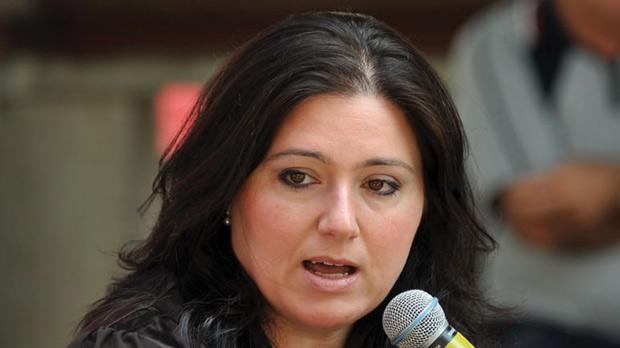
Deborah Schembri
A lawyer who became chairman of the divorce movement and is now a Labour Party candidate for the next general election
Divorce has not affected anyone but those whose marriage had broken down and were already separated; those who wished to legalise their position and that of their children who were born out of wedlock from present partners.
There have already been a number of couples who have been united in marriage after having obtained a divorce from Maltese courts.
Couples now, and for years to come, will have rights that were not available to them or their children before; rights that affect them financially and otherwise during their lifetime and after passing away.
It will also impact how our community looks at mixed families, putting more emphasis on the fact that they are “families” rather than the fact that they are “blended”.
People seem to have appreciated not only the discussion but also the way it was conducted. I cannot help but be delighted to have given my time and energy for a good cause.
The introduction of divorce has affected me more politically than personally since it introduced me to the world of politics of action.
It has given me the needed push to contribute further.
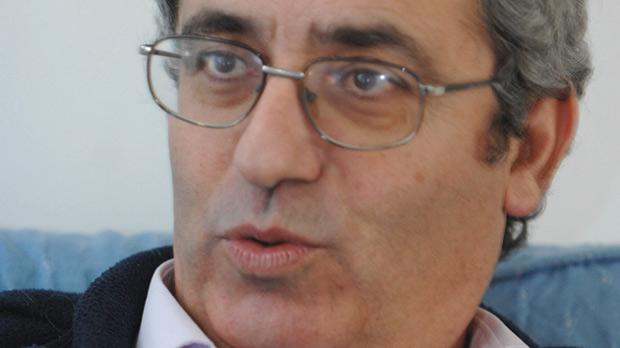
Evarist Bartolo
Labour MP who was part of the pro-divorce camp
Divorce does not break up married couples; married couples who find it impossible to stay together break up and then they separate or divorce.
It is important for people to know the cost of obtaining a divorce in Malta is officially €193 per person.
As a movement we wanted it to be affordable.
Hopefully, state and Church will prepare couples better before they marry. I also think that when the backlog of already separated couples is cleared, the number of divorce applications will go down.
But beyond numbers, the Moviment Iva should serve as an eye-opener for the state, Church and political parties: civil society is maturing and more people will take personal decisions not dictated by party or Church. If they want to remain relevant and vital in the future, it is up to them to accept this diversity. I campaigned to introduce this civil right not because I needed it myself, as I am happily married and intend to remain so.
I wanted to do it for those whose marriage had broken down and wanted to start afresh.
The Moviment Iva has been the most enriching political experience I have had so far. I would have liked us to continue working together and become a wider civil rights movement... I am sure we could have achieved a lot.