Dangerous products on the European market
A recent press release issued by the European Commission revealed that last year, fewer dangerous non-food products were found on the EU market. This is good news for all European consumers who naturally want to be sure that the products they buy,...
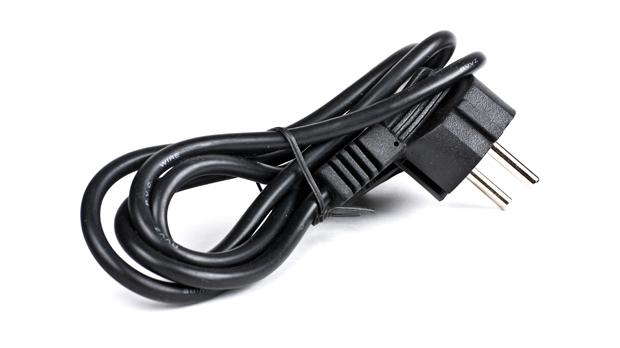
A recent press release issued by the European Commission revealed that last year, fewer dangerous non-food products were found on the EU market.
Products imported from China are still mostly considered unsafe- Odette Vella
This is good news for all European consumers who naturally want to be sure that the products they buy, whether made in the EU or imported from other countries, are safe.
Thanks to RAPEX, the European rapid alert system, dangerous products are detected and eventually removed from the EU market. RAPEX kicked off in 2004 and there are 30 participating EU countries, plus Iceland, Liechtenstein and Norway.
The countries participating in RAPEX share information about dangerous non-food products found on the EU market. The RAPEX contact point in each country must also make sure that whoever was responsible for placing the dangerous product on the market should immediately take measures to prevent further risks to consumers.
The most important of these measures is to remove the dangerous product from the market.
In 2011, 1,803 dangerous products were notified through RAPEX. This amounts to 20 per cent fewer notifications compared with 2010. This is the first time since the introduction of RAPEX that the number of notifications decreased.
The most active countries in notifying dangerous products were Spain, with 189 notifications; Bulgaria, with 162 notifications; Hungary, with 155 notifications; Germany, with 130 notifications; and the UK, with 105 notifications.
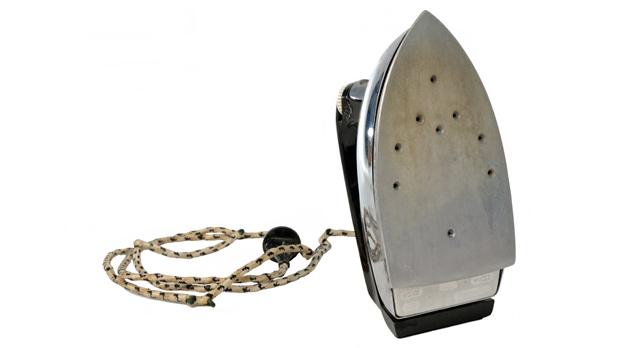
Products are identified as dangerous because they pose a serious risk to the health and safety of consumers. The risk categories most often notified were injuries, chemical, strangulation, choking and electric shock.
The RAPEX contact point in Malta is the Technical Regulatory Division at the Malta Competition and Consumer Affairs Authority. This division has notified 33 dangerous products found for sale last year.
Most of these products were dangerous to consumer health and had to be removed from shop shelves. The majority of these products were electronic goods manufacturedin China. These included night lamps, plugs and laser pointers. Other items removed from the market included toys and lighters.
In the EU, the most frequently notified products in 2011 were clothing, textile and fashion items, which amounted to 27 per cent of all notifications. These were followed by toys, which amounted to 21 per cent; vehicles (11 per cent); electrical appliances (eight per cent); and cosmetics (seven per cent).
Products imported from China are still mostly considered unsafe, but there has been a decrease from 58 per cent in 2010 to 54 per cent in 2011.
EU Commissioner for Health and Consumer Policy John Dalli attributes this improvement to the active cooperation between the EU and the Chinese Product Safety Administration.
It is worth noting that 19 per cent of notifications, equivalent to 293 notifications, were of European origin, and 15 per cent were from other countries.
Most ‘dangerous’ products featured a design defect or an error in the manufacturing process and therefore were not dangerous. Educating manufacturers or companies on how to produce safe products would reduce significantly the production of dangerous products.
Enhancing cooperation with Customs also plays a crucial role. Customs monitor what gets into the country and this puts the staff at the forefront in assessing whether products are safe to enter the market or not. In fact, in 2011 a total of 153 notifications were initiated by Customs authorities.
For more information on product safety and on RAPEX,consumers may call the Market Surveillance Directorate withinthe Technical Regulatory Division on 2395 2000 or visit http://ec.europa.eu/consumers/dyna/rapex/rapex_archives_en.cfm .
odette.vella@mccaa.org.mt
Ms Vella is senior information officer, Office for Consumer Affairs, Malta Competition and Consumer Affairs Authority.