Why is 2016 trending all over social media in 2026?
The decade-long nostalgia posts signal more than a sentimental glance backwards
The year is 2016.
Donald Trump won his first US election, and the UK Brexit Referendum made international headlines.
In Malta, the Labour Party was midway through its first term in government, and Simon Busutil was still the leader of the Nationalist Party.
The Panama Papers dominated the headlines.
Pop icon Rihanna released her album Anti (in hindsight, fans were completely unaware it would be the last album she would release), and Chainsmokers’ hit song Closer was the soundtrack of the summer.
When people weren’t hunting Pikachu on Pokémon Go, they were attempting to film their ‘Mannequin Challenge’ on their phone. You weren’t cool if you didn’t have a photo using Snapchat’s dog-ear filter.
That year, Netflix released the first season of the sci-fi tv show Stranger Things. Only recently did the streaming platform’s most popular original series premiere its final episode on New Year’s Eve.
2016 was also the year of celebrity deaths, including legendary musicians such as David Bowie, Prince, actor Alan Rickman and boxer Muhammad Ali.
All this happened over a decade ago, yet in the first two weeks of 2026, social media has gone down memory lane to reflect on what happened in 2016.
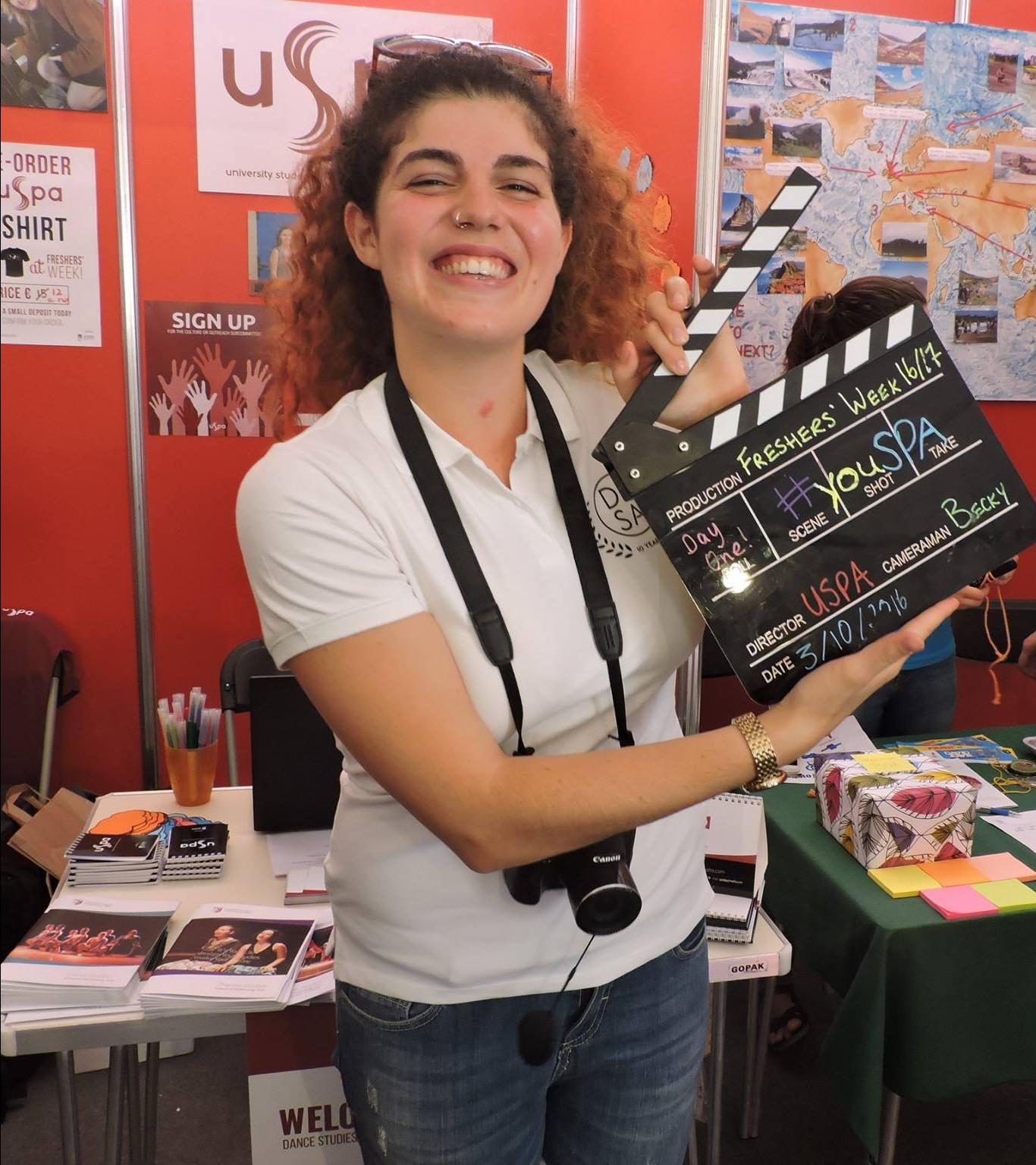 The author, Giulia Magri, in 2016, when she was still a 21-year-old University student.
Many scrolling on Instagram or Facebook in recent days have most likely come across posts of people who have done a deep dive in their 10-year-digital archive to share photos and memories of what life was like back then.
So why has the trend ‘2026 is the new 2016’ taken social media by storm?
Life before Instagram reels and AI
According to sociologist Valerie Visanich, the current trend of decade-long nostalgia posts signals more than a sentimental glance backwards.
She said for many, the trend is a collective moment of reflexivity, where a person reassesses who they were, who they have become, and the social conditions that shaped that transformation.
“These personal narratives unfold against a decade defined by significant shifts and recalibrations, especially life before and after the COVID-19 pandemic,” Visanich told Times of Malta.
She said that reflecting on the past 10 years shows how identities, relationships, work and even ideas of normal life have continually changed.
“What emerges is not simply nostalgia, but an awareness of how swiftly social, technological and emotional landscapes can shift, prompting individuals to locate their personal trajectories within broader historical change.”
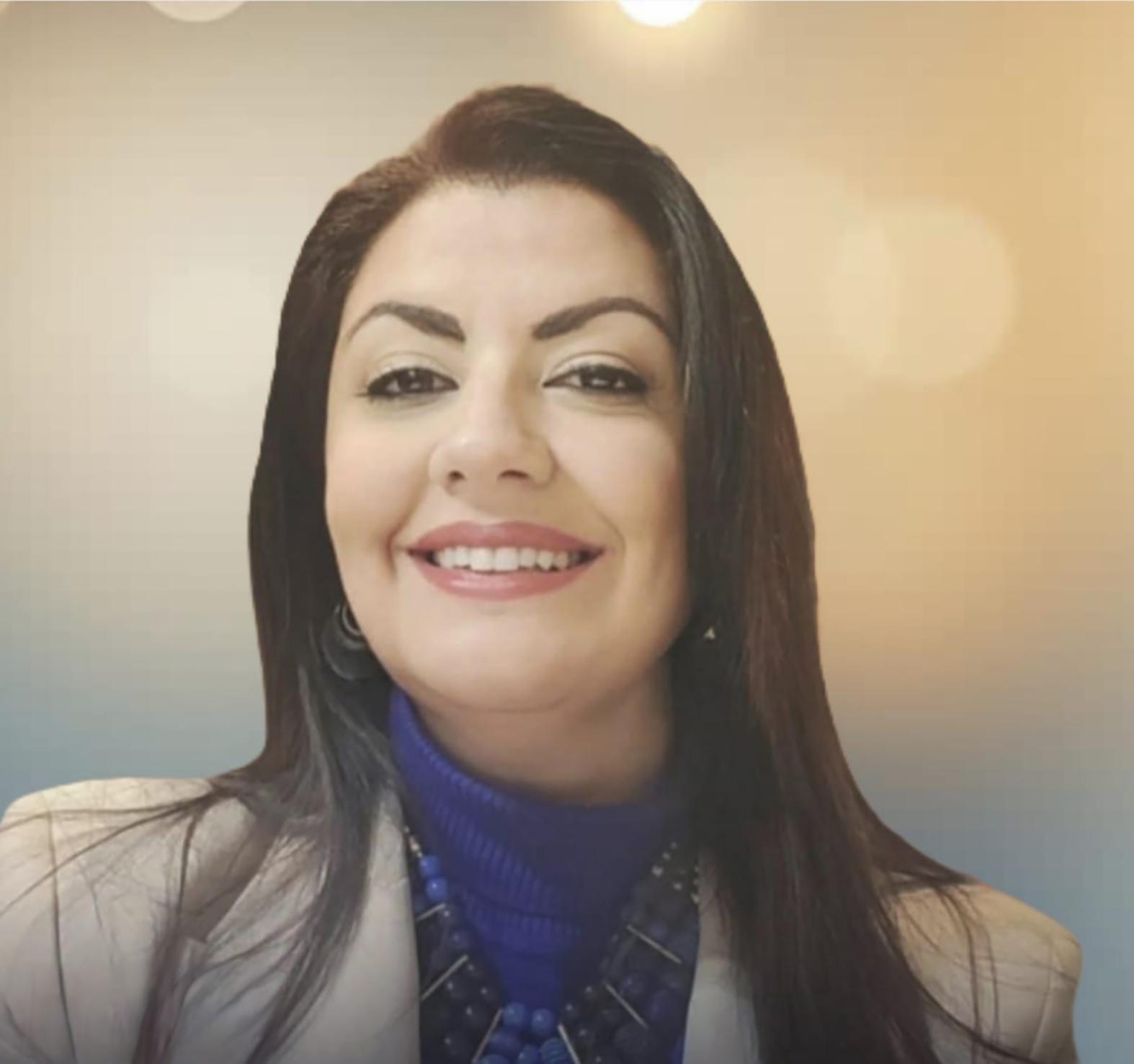 Sociologist Valerie Visanich
In the past decade, the world has witnessed advanced technology, which has now become an intrinsic part of everyday life. Many online have pointed out how social media is seen as less authentic and more performative. In 2016, there were no carousels, no reels and people felt less pressure to constantly update their lives online.
Visanich explains how people now rely more than ever on feeds, reels and posts to construct their sense of self and understand what is happening in the world.
“We cannot ignore the acceleration of digital dependence, and the emergence of artificial intelligence as an everyday presence rather than a distant concept.”
2016 music brings back carefree days
Actor and radio host Ryan Mark De Battista described how listening to 2016 music takes him on a “nostalgic trip” to more carefree days and friendships.
“There’s something really special about throwback music from the 2010s, especially songs from around 2016,” he said, recalling how he was 15 at the time and focusing on his O-level examinations.
He said songs from artists Justin Timberlake, Calvin Harris, Zayn and Ariana Grande were tied to key moments in his and his friends' lives.
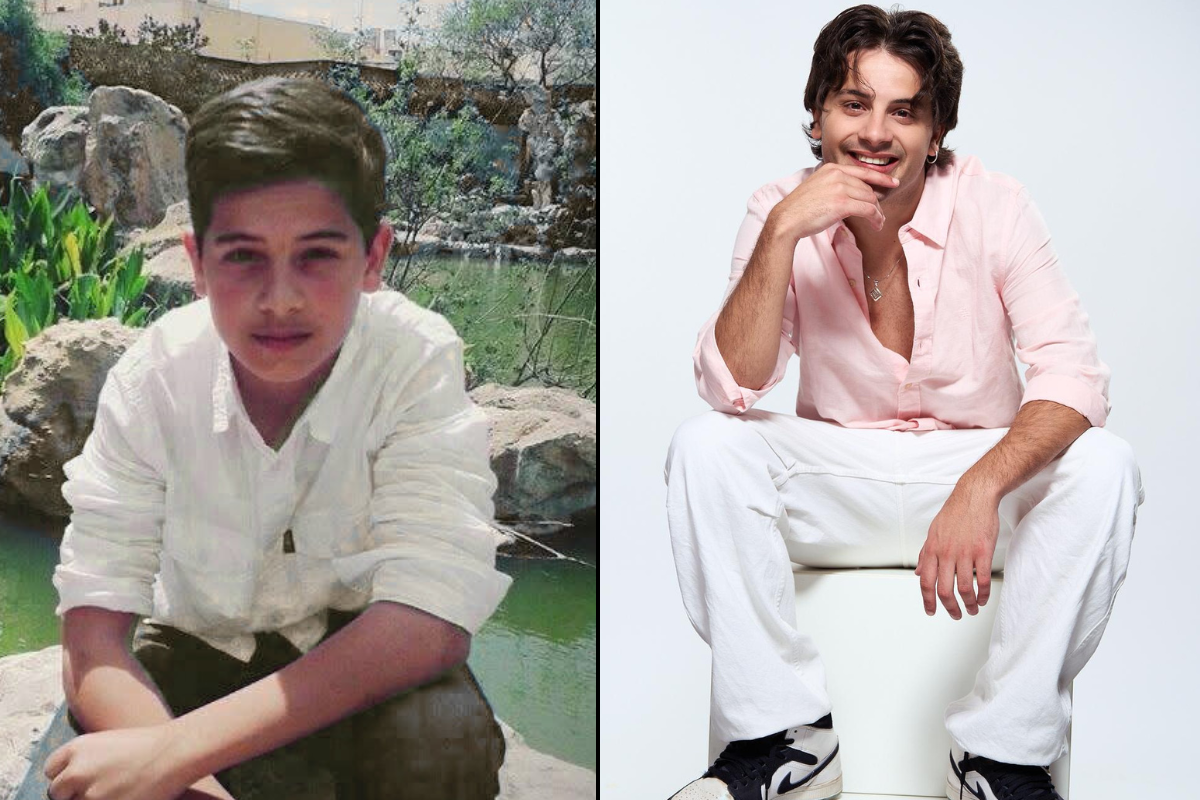 15-year-old Ryan and Ryan today. Photo: Ryan Mark De Battista
“It’s nostalgic in the best way. When those songs come on, they don’t just play in the background, but open up memories, almost like taking a small trip back in time.”
He said life was busy but exciting, and those songs became “both the soundtrack and highlight” of the year.
Choker phase that took over
2016 was also the year of skinny jeans, big and bold eyebrows and choker necklaces.
Yana Azzopardi, the creator and owner of Yana’s Jewellery, recalls the choker craze and the countless hours customising chokers for her customers.
While she first opened her shop in 2013, the 39-year-old said 2016 was the year her business truly took off, and after a trip to Bali, she held her first solo exhibition.
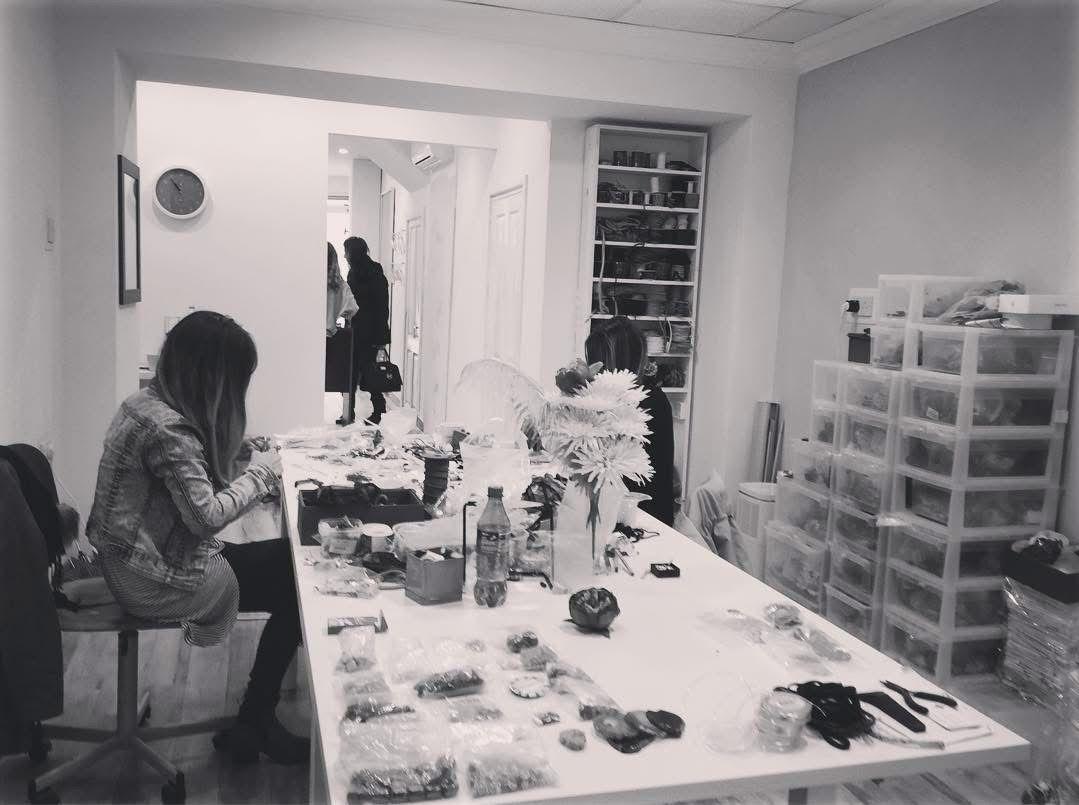 Yana Azzopardi creating jewellery in her studio in 2016. Photo: Yana Azzopardi
“We also started focusing on our online presence, at that time on Etsy,” she said.
“It was a fun time as people enjoyed creating their jewellery with us, and we still do it till today.”
While she recalled feeling stressed by trying to juggle everything, she also recalled feeling excited and happy as she knew she was on the right track for her business.
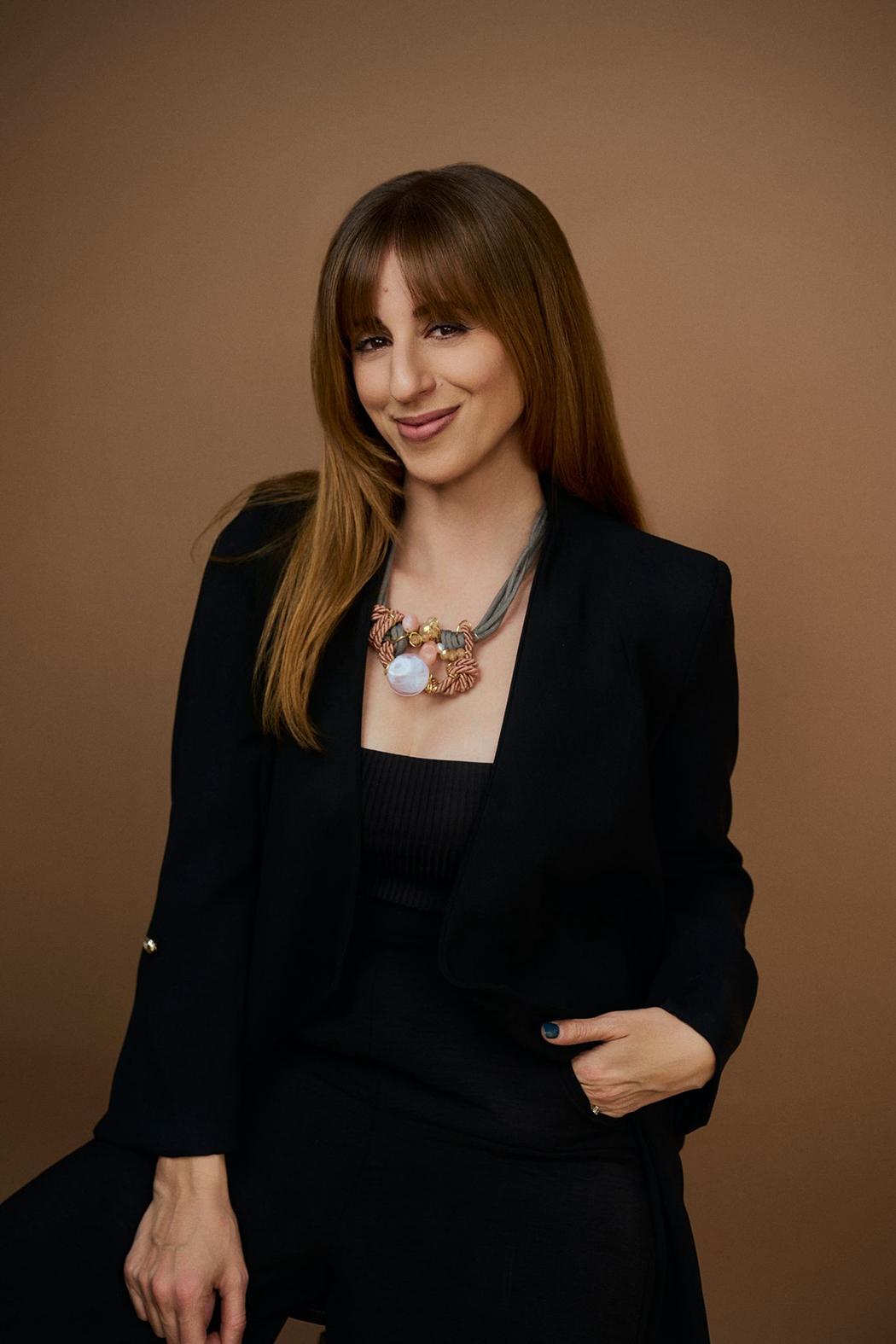 Yana Azzopardi now. Photo: Yana Azzopardi
What happened in Malta a decade ago?
The Labour Party was midway through its first term in government, and Simon Busutil was still the leader of the Nationalist Party.
Former Labour MP Marlene Farrugia set up the Democratic Party and became its leader.
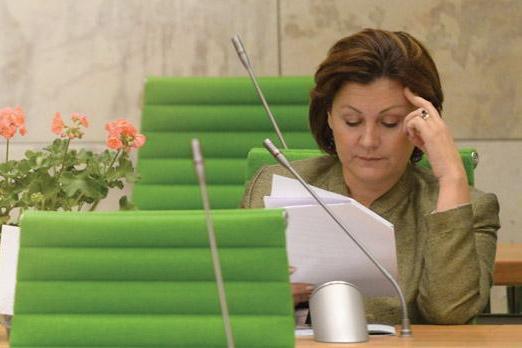 Marlene Farrugia in a file photo.
Hands down, the most important political event of the year was the Panama Papers revelations.
The leaked document revealed that then Health and Energy Minister Konrad Mizzi and former OPM chief of Staff Keith Schembri had secret offshore companies. Both had denied wrongdoing, and the government supported them.
Despite this, the government at the time still showed confidence in Mizzi and Schembri, despite calls from civil society and public protests.
In May, eight French diners were injured after the balcony of the Barracuda Restaurant in Balluta collapsed.
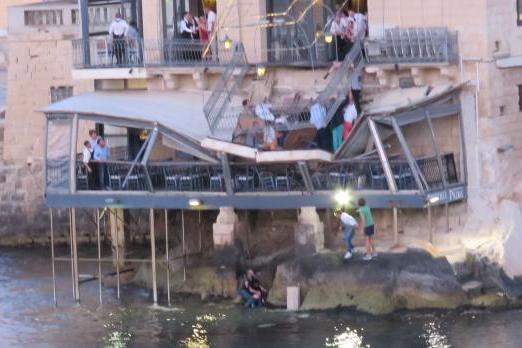 The moment the balcony collapsed. Photo: Dunstan Crockford
In October, five died after a plane part of a French surveillance operation crashed in shortly after-take off in Luqa.
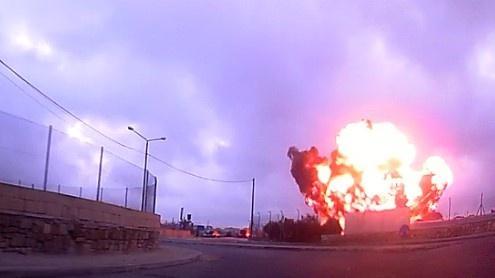 The plane catching fire after it crashed.
In December, after countless debates and protests, the Morning After Pill was introduced and deemed as an OTC medication, so it could be sold over the counter. This marked a huge milestone in reproductive health rights in Malta.
Malta held the 2016 Junior Eurovision Song Contest in Valletta at the Mediterranean Conference Centre, Valletta, after winning in 2015 with Destiny.
A hijacked Libyan plane landed in Malta in December, and saw an almost four-hour standoff with soldiers. The hijackers left the Afriqiyah Airways A320 and surrendered to soldiers. The plane had around 120 people on board, and they were safely released.
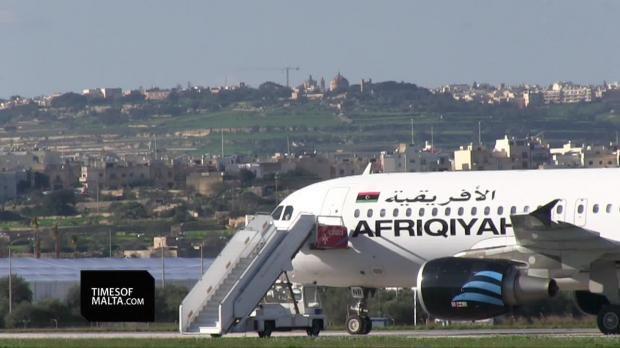 The hijacked plane in a video grab from Times of Malta footage.